

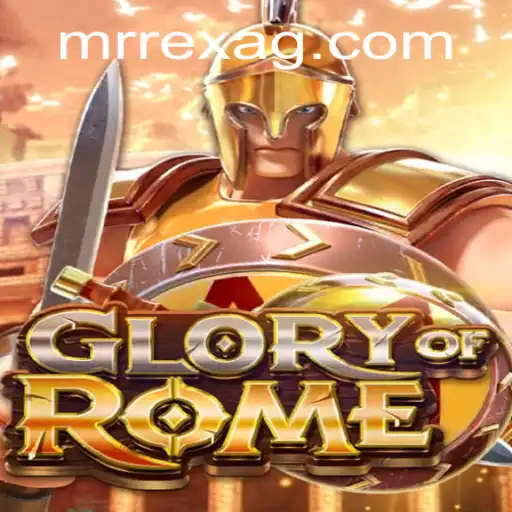
Unveiling the World of 'GloryofRome'
In the vast arena of digital gaming, 'GloryofRome' emerges as a beacon for enthusiasts of history and strategic gameplay. This game captivates players with its intricate blend of historical narrative and immersive gaming mechanics. Launched amidst a rising interest in ancient history and strategy-based gaming, 'GloryofRome' is set in ancient Rome, offering players a chance to relive and shape the empire's fate.
Introduction to 'GloryofRome'
As the gaming industry continues to evolve, there is a burgeoning fascination with historical themes, paralleling current trends that emphasize learning through interactive experiences. 'GloryofRome' taps into this trend by presenting a game that is not only about entertainment but also about education and strategic thinking. Its developers, noted for their passion for historically-accurate and engaging content, have painstakingly crafted a narrative that brings the rich tapestry of Roman history to life.
Set against the backdrop of ancient Rome, players are tasked with managing resources, forging alliances, and dominating through military prowess. The game demands a strategic mind, capable of understanding the complexities of Roman political and social dynamics. As a player, you are thrust into a realm where decisions affect the rise or fall of the empire, echoing sentiments of control and power that resonate with today's rapidly changing socio-political landscape.
The Rules of Engagement
The game's rules are designed to cater to both novice players and seasoned strategists. 'GloryofRome' offers a tutorial for beginners, ensuring a smooth introduction to its mechanics. At the core, players must navigate through various challenges by making strategic decisions—each with potential consequences that mirror real-world scenarios.
Resource Management: Success hinges on the efficient management of resources, a key aspect that underscores many real-world management theories. Players must manage food, gold, and manpower wisely, reflecting the age-old economic principles that still hold importance in today's world.
Military Strategy: Building and maintaining a strong military is crucial. Players must recruit and train soldiers, which involves strategy reminiscent of classic warfare and contemporary defense strategies. The game's realism takes cues from both ancient tacticians and modern military doctrines, reinforcing the importance of planning and adaptability.
Political Alliances: Forming alliances is another critical component. The diplomacy involved mirrors current international relationships where strategy and negotiation determine outcomes. In-game alliances require players to assess trustworthiness, akin to assessing political climates in current global contexts.
'GloryofRome' and Current Events
In a world increasingly drawn to strategic engagements and historical comparisons, 'GloryofRome' finds its relevance intertwined with current events. As global political dynamics shift, making strategic decisions in the game offers players a microcosm of global diplomacy and strategy. It serves as an allegory to how historical knowledge can inform contemporary decision-making.
The game also reflects the increasing gamification in educational tools where players engage with content actively, learning without the confines of traditional classrooms. Recent advancements in virtual reality and augmented reality play into 'GloryofRome's' potential future expansions, paving the way for even more immersive historical experiences.
Furthermore, 'GloryofRome's' inclusion of diverse narratives—forging paths through the perspectives of generals, emperors, and common soldiers—draws parallel to the inclusive storytelling seen in today's media. This reflects a broader societal shift towards understanding history from multiple dimensions, promoting empathy and a multifaceted understanding of past events.
The Role of Technology and Community
As digital communities thrive, 'GloryofRome' benefits from a bustling online community where players share strategies, mods, and engage in discussions about historical accuracy and gameplay mechanics. This reflects the rise of collaborative platforms where individuals contribute to collective knowledge and improvement, echoing modern workforce dynamics reliant on collaboration and shared expertise.
Technologically, the game represents modern capabilities in game development with its high-definition graphics, intricate AI, and seamless online play. These elements ensure a lifelike experience that is continuously enhanced with updates and community feedback.
As we navigate through advancements that blur the lines between history and gaming, 'GloryofRome' stands out as a pillar enabling players to engage in complex problem-solving and dynamic storytelling. The game not only serves as a refuge for escapism but also as a bridge to understanding the nuanced tapestry of human history.